Communal Area Cleaning: Creating Cleaner, Safer, and More Welcoming Shared Spaces
Communal area cleaning plays a vital role in keeping shared buildings fresh, hygienic, and pleasant for everyone who uses them. Whether it is an apartment block, residential complex, office building, student accommodation, or mixed-use property, shared spaces quickly collect dust, dirt, fingerprints, spills, and general wear. That is why a consistent communal area cleaning routine matters so much. It supports hygiene, improves appearance, reduces complaints, and helps maintain the value of the property over time.
When communal spaces are cleaned properly, residents, visitors, tenants, and staff immediately notice the difference. Hallways feel brighter, lobbies smell fresher, touchpoints are safer, and stairwells become more inviting. Good communal area cleaning is not just about visual appeal; it also helps reduce germs and creates an environment where people feel comfortable moving through shared areas every day.
In modern property management, shared space upkeep has become an expectation rather than a luxury. Buildings with regular communal cleaning often enjoy fewer disputes, stronger tenant satisfaction, and better long-term maintenance outcomes. From entrance mats to lift buttons, from window ledges to communal kitchens, every detail contributes to the overall standard of the building.
What Communal Area Cleaning Involves
Communal area cleaning refers to the routine and deep cleaning of shared spaces within a building. These are the areas used by multiple people throughout the day, which makes them more vulnerable to dirt buildup and hygiene issues. A professional approach ensures that high-traffic zones are cleaned consistently and to a reliable standard.
Typical communal cleaning tasks include vacuuming, mopping, dusting, disinfecting high-touch surfaces, removing litter, polishing glass or metal fixtures, and keeping entrance areas presentable. Depending on the property, communal area cleaning may also include stairwells, lifts, corridors, mail areas, laundry rooms, car parks, and shared lounges.
It is important to understand that communal cleaning is different from occasional tidying. Regular communal area cleaning is structured, scheduled, and detailed. It targets both visible dirt and hidden buildup, which helps prevent grime from accumulating over time.
Common Spaces That Need Attention
- Entrance lobbies and reception areas
- Hallways and corridors
- Staircases and landings
- Lift interiors and lift doors
- Shared kitchens and break rooms
- Washrooms and sanitary areas
- Bin storage rooms and waste points
- Outdoor paths, entrances, and loading zones
Why Communal Area Cleaning Matters for Every Property
A clean shared environment influences more than appearance. It affects safety, health, comfort, and the way people perceive the building. When communal spaces are neglected, dirt builds up quickly and creates a negative impression. On the other hand, a well-maintained property sends a message of care, organisation, and professionalism.
Communal area cleaning is especially important in high-traffic buildings where many people pass through the same spaces each day. Even when everyone is careful, dust, mud, food debris, and bacteria can spread easily. Routine cleaning reduces contamination and helps make shared spaces more pleasant for occupants and guests.
There is also a practical side to it. Clean floors and stairways reduce slip hazards, regular waste removal prevents odours, and disinfected touchpoints support healthier shared environments. In short, communal cleaning helps buildings function better while improving everyday experience for users.
Key Benefits of Regular Shared Space Cleaning
- Improves hygiene and reduces the spread of germs
- Enhances first impressions for visitors and tenants
- Reduces odours and visible dirt accumulation
- Supports property value and long-term upkeep
- Improves safety in stairwells, lobbies, and walkways
How Professional Communal Area Cleaning Works
Professional communal area cleaning is usually built around a tailored schedule. The frequency depends on foot traffic, the type of building, and the expectations of residents or management. For some properties, daily cleaning is essential. For others, several visits per week may be enough to maintain standards.
A well-organised cleaning routine often starts with a checklist. This ensures that no area is missed and that every task is completed in the right order. Cleaners typically begin with dry debris removal, then move on to vacuuming, mopping, surface wiping, waste disposal, and sanitising touchpoints.
Consistency is one of the most valuable parts of communal area cleaning. When the same standards are maintained over time, the building stays presentable and issues are addressed before they become serious. This consistency also helps property managers monitor quality more easily.
Typical Cleaning Tasks in Shared Areas
- Sweep and mop hard floors
- Vacuum carpets and runners
- Dust skirting boards, ledges, and fittings
- Sanitise handles, switches, buttons, and rails
- Empty bins and replace liners
- Spot clean glass, mirrors, and fingerprints
- Remove cobwebs and hidden dust
- Report maintenance issues such as leaks or damage
Cleaning Challenges in Communal Spaces
Shared areas are harder to keep clean than private spaces because they experience constant use. People walk in with dirt from outdoors, deliveries create clutter, and high-touch surfaces attract germs throughout the day. That makes communal area cleaning more demanding than standard domestic cleaning.
Another challenge is variation. A building may have a busy entrance during office hours, quiet corridors overnight, and heavy foot traffic during weekends. Cleaners need to adapt to these changing conditions while still maintaining a consistent result.
There is also the issue of expectations. Residents and building managers often want different things from a communal cleaning service. Some want deep attention to detail, while others prioritise fast turnaround and flexibility. The best cleaning approach balances all these expectations without sacrificing quality.
Frequent Problem Areas
- Dirty entrance mats and floor tracking
- Fingerprints on glass doors and lift panels
- Stains in stairwells and corridors
- Overflowing waste bins
- Odours in shared kitchens or bin rooms
- Dust accumulation in corners and vents
Effective communal area cleaning addresses these issues before they become visible or disruptive. That is why experienced cleaners focus on both daily upkeep and periodic deep cleaning.
Best Practices for High-Quality Communal Area Cleaning
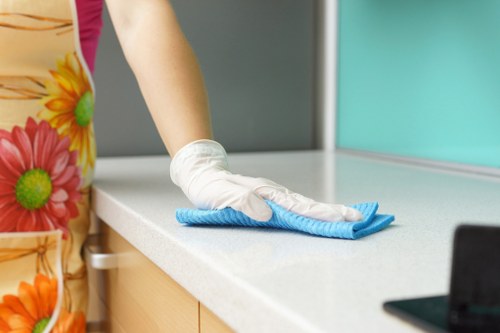
Achieving high standards in communal area cleaning requires more than just basic vacuuming and mopping. It takes planning, good products, correct techniques, and a detailed understanding of the building’s needs. When these elements come together, the result is a cleaner, safer, and more professional shared environment.
One best practice is to use colour-coded cleaning materials. This helps reduce cross-contamination and keeps equipment dedicated to specific areas. Another is to prioritise high-touch surfaces, since these are more likely to spread bacteria and viruses. Regular inspections also help maintain consistency and catch issues early.
Using the right cleaning products matters as well. Different surfaces need different treatments. For example, hard floors, carpets, stainless steel, glass, and painted walls all require specific methods to avoid damage. A skilled cleaner knows how to protect surfaces while achieving a thorough result.
Simple Standards That Improve Results
- Follow a clear cleaning checklist
- Use suitable products for each surface
- Clean high-touch points frequently
- Remove waste before it creates odour
- Inspect work and correct missed spots
- Adapt routines based on traffic levels
Attention to Detail Makes the Difference
Small details often define whether a communal space feels clean or merely looks tidied. A wiped handrail, polished door frame, fresh bin area, or dust-free corner can significantly change how a property is perceived. That is why effective communal area cleaning should never be rushed.
Why Regular Reviews Help
Routine service reviews make it easier to refine the cleaning schedule, adjust priorities, and respond to seasonal changes. For example, winter may require extra floor cleaning due to mud and rain, while summer may increase the need for odour control and waste management.
Communal Area Cleaning for Different Property Types
Not all buildings need the same communal area cleaning approach. A residential block has different concerns from a commercial office or student housing complex. Understanding the property type helps shape a cleaning plan that is practical, efficient, and effective.
In residential buildings, common priorities include hallway cleanliness, lift hygiene, stairwell safety, and bin area control. In office environments, reception areas, shared kitchens, washrooms, and meeting spaces often need more frequent attention. Student accommodation may require a strong focus on waste removal, kitchen sanitation, and heavy-use corridors.
Mixed-use buildings can be more complex because they combine different traffic patterns and expectations. In these cases, communal area cleaning must be flexible enough to manage both residential and commercial requirements without disrupting occupants.
Examples by Property Type
- Apartment blocks: corridors, staircases, entry systems, and lifts
- Office buildings: shared kitchens, reception, washrooms, and communal meeting zones
- Student housing: kitchens, halls, bins, and frequent spill areas
- Healthcare-related buildings: hygienic, touchpoint-focused cleaning with strict standards
Tailoring the service ensures that resources are used efficiently and that the most important spaces receive the right level of care.
Health, Hygiene, and Safety in Shared Environments
One of the strongest reasons to invest in communal area cleaning is hygiene. Shared spaces can quickly become a breeding ground for germs if they are not cleaned regularly. High-touch surfaces such as lift buttons, door handles, railings, and switches are especially important because many people contact them throughout the day.
Good cleaning practices can help reduce the spread of bacteria and viruses while also improving general sanitation. This is particularly important during seasonal illness periods, in busy housing blocks, and in buildings that host many visitors. Clean communal environments contribute to better everyday well-being.
Safety is another essential factor. Wet floors, cluttered hallways, and neglected waste can create hazards. By keeping shared areas tidy and well-maintained, cleaners help reduce accidents and make the building easier to navigate for residents, employees, and guests.
Safety-Focused Cleaning Actions
- Place caution signs when floors are wet
- Keep walkways clear of waste and obstructions
- Check for trip hazards during each visit
- Maintain clean, dry entrance areas
- Ensure bins are not overflowing
- Report broken fixtures or damaged surfaces
Eco-Friendly Approaches to Communal Area Cleaning
Many property managers now prefer environmentally responsible cleaning methods. Eco-conscious communal area cleaning focuses on reducing waste, using safer products where possible, and limiting unnecessary chemical use. This approach supports sustainability while still maintaining strong hygiene standards.
Low-impact cleaning products can reduce harsh odours and support better indoor air quality. Microfibre tools can also help reduce the amount of product needed. In addition, careful dosing and efficient route planning can cut down on waste and improve overall service efficiency.
Eco-friendly cleaning does not mean compromising on cleanliness. When done correctly, it can deliver excellent results while supporting a more responsible building maintenance strategy. For many organisations and housing managers, this balance is increasingly important.
Examples of Greener Cleaning Practices
- Using refillable cleaning systems
- Choosing biodegradable products where suitable
- Reducing excess packaging and single-use plastics
- Planning efficient cleaning schedules to limit travel
- Using reusable cloths and mop heads responsibly
How Often Should Communal Areas Be Cleaned?
The ideal frequency for communal area cleaning depends on the building and how much traffic it receives. A busy apartment block may need daily cleaning, while a quieter building might only need service a few times per week. The right schedule should reflect both usage and the level of cleanliness expected by occupants.
Some areas need more frequent attention than others. Entrances, lifts, kitchens, toilets, and bin rooms typically require more regular cleaning because they are used more heavily or are more likely to collect dirt and odours. Less-used corridors or upper landings may need lighter maintenance, though they should still be included in the routine.
Seasonal changes can also affect cleaning frequency. Wet weather, holiday periods, and increased occupancy can all create more dirt and waste. A flexible cleaning plan helps ensure that standards remain high all year round.
Factors That Influence Cleaning Frequency
- Number of residents, staff, or visitors
- Type of building and usage patterns
- Weather conditions and seasonal dirt
- Presence of kitchens, washrooms, or waste rooms
- Desired cleanliness standard
Choosing the Right Communal Area Cleaning Service
Selecting a cleaning provider is an important decision for any property manager, landlord, or building committee. The right service should be reliable, responsive, and able to maintain a high standard consistently. Experience matters, but so does communication, flexibility, and attention to detail.
When evaluating a provider, it helps to ask about their cleaning methods, schedule options, staff training, and quality control processes. A strong communal cleaning service should be able to adapt to different building sizes and requirements while maintaining a professional approach.
Look for a service that understands the importance of shared spaces and is willing to tailor the cleaning plan accordingly. Good communal area cleaning is about more than appearance; it is about trust, comfort, and long-term upkeep.
What to Look For
- Proven experience with communal and shared spaces
- Clear and flexible service schedules
- Strong quality checks and supervision
- Appropriate products and equipment
- Responsive handling of special cleaning requests
Communication and Reliability
Reliable service providers keep property managers informed and consistently deliver the expected standard. This is especially valuable when cleaning needs change due to events, weather, occupancy shifts, or maintenance work.
Make the Next Step Easy
If your building needs a fresher, safer, and more professional appearance, now is the right time to act. Contact us today to discuss a tailored solution, or Book your service now to improve your shared spaces with dependable communal area cleaning.
The Long-Term Value of Regular Communal Area Cleaning
Consistent communal area cleaning delivers long-term value far beyond a tidy-looking hallway. It helps protect surfaces from premature wear, reduces the risk of complaints, and creates a better daily experience for everyone in the building. Over time, these benefits add up and support the overall condition of the property.
When shared spaces are maintained properly, they require fewer emergency cleanups and less corrective work. This can save time and resources while improving occupant satisfaction. Clean buildings also tend to feel more managed and more secure, which contributes to a positive atmosphere.
In practical terms, investing in communal area cleaning is one of the simplest ways to improve the standard of a building. It supports hygiene, protects assets, and enhances the way people use and perceive the space every day.
Final Thoughts
Shared spaces are the face of a property, and their condition matters. A structured, professional, and consistent communal cleaning plan keeps those spaces welcoming, hygienic, and ready for everyday use. Whether the building is large or small, residential or commercial, the right cleaning approach makes a meaningful difference.
If you want cleaner entrances, brighter hallways, safer stairwells, and better-maintained communal zones, book your service now and take the first step toward a better shared environment.