Oven Cleaning: How to Keep Your Oven Fresh, Efficient, and Hygienic
Why Oven Cleaning Matters for Every Home
Oven cleaning is one of those household tasks that is easy to postpone until smoke, odors, and baked-on grease make it impossible to ignore. A clean oven is not just about appearance. It helps your appliance heat more evenly, reduces unpleasant smells, and supports better kitchen hygiene overall.
When grease and food residue build up inside the oven, they can burn during cooking and affect the taste of your meals. Over time, those deposits may also create stubborn stains that become harder to remove. Regular oven cleaning keeps the appliance performing well and can even help extend its lifespan.
For many households, the real challenge is knowing how often to clean and which methods are safe for different oven types. Whether you rely on a self-cleaning model, a conventional electric oven, or a gas oven, choosing the right oven cleaning approach makes the job easier and more effective.
Understanding the Different Types of Oven Cleaning

Not all ovens need the same cleaning method. Some appliances are designed with self-cleaning features, while others require manual care. Understanding the differences helps you avoid damage and choose the most efficient routine for your home.
Manual oven cleaning usually involves applying a suitable cleaner, allowing it to loosen grime, and then wiping away residue. This method is flexible and works well for most ovens. It is also preferred by homeowners who want full control over the products used inside the appliance.
Self-cleaning ovens use high heat to burn away residue, turning grease into ash that can be wiped away afterward. Although convenient, they still need attention afterward, especially around the door, racks, and seals. Many people use the self-cleaning function as part of a larger oven cleaning routine rather than as a complete solution.
Popular oven cleaning methods
- Self-cleaning cycles for high-heat residue removal
- Steam cleaning to soften grime and make wiping easier
- Manual degreasing using sprays, gels, or paste cleaners
- Natural cleaning with baking soda and vinegar for a gentler approach
Signs Your Oven Needs Cleaning Now

If you are not sure whether it is time for oven cleaning, there are several obvious signs to watch for. Burnt food smells, dark smoke when heating the oven, or visible grease buildup all point to the need for immediate attention. These signs should not be ignored because they often get worse with time.
You may also notice that food is cooking unevenly or that the oven takes longer to reach the desired temperature. While these issues can sometimes relate to other appliance problems, grime and residue are common causes. A thorough oven cleaning service or DIY deep clean can often restore better performance.
Another common sign is sticky buildup on the oven door glass. This not only looks unattractive but also makes it harder to monitor food while cooking. If the glass is cloudy, greasy, or stained, a proper oven cleaning process can make a big difference.
Watch for these warning signs
- Smoke or strong odors during preheating
- Visible grease splatter on interior surfaces
- Burnt-on food around the bottom of the oven
- Dark marks or cloudy glass on the oven door
- Uneven cooking or prolonged heating times
How to Clean an Oven Safely and Effectively
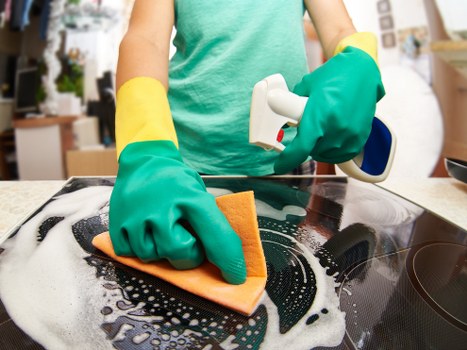
Safe and effective oven cleaning starts with preparation. Before using any product or method, turn the appliance off completely and allow it to cool. Remove oven racks, trays, and any loose debris. If your oven includes a fan, heating element cover, or special enamel coating, check the manufacturer’s instructions first.
For a manual clean, apply your chosen cleaner carefully and allow it to sit long enough to break down baked-on grime. Avoid scraping aggressively with metal tools because they can scratch the interior surface. A soft cloth, non-abrasive sponge, or plastic scraper is usually the best option.
For stronger residue, some homeowners prefer to create a baking soda paste. This method is popular because it offers a gentler alternative to harsh chemicals. When used correctly, oven cleaning with baking soda can loosen stuck-on grease without overwhelming odors. After the paste has settled, wipe it away with a damp cloth and rinse thoroughly.
Step-by-step cleaning routine
- Turn off and cool the oven
- Remove racks, trays, and loose debris
- Apply cleaner or natural paste
- Allow time for grime to soften
- Wipe surfaces with a soft cloth
- Rinse and dry completely before use
Helpful tip
Use warm water and a microfiber cloth for final wiping. This helps remove leftover residue and leaves the oven looking cleaner and fresher.
Natural Oven Cleaning Options for a Fresher Kitchen
Many people prefer natural methods for oven cleaning because they are easy to prepare and may feel safer for households with children, pets, or chemical sensitivities. Natural solutions may take a little longer to work, but they can be very effective for light to moderate buildup.
A simple paste made from baking soda and water can be spread across dirty areas and left for several hours or overnight. Baking soda helps loosen residue, while a light vinegar spray can assist with lifting away the paste afterward. This combination is one of the most common eco-friendly oven cleaning techniques used in homes today.
For stubborn spots, lemon juice can also be useful. Its fresh scent helps reduce lingering odors, and its acidity may assist with softening some deposits. While natural products are not always strong enough for heavily burned residue, they work well for routine oven maintenance and cleaning.
Benefits of natural cleaning methods
- Less chemical odor in the kitchen
- Gentler on many oven surfaces
- Simple ingredients often found at home
- Useful for regular upkeep between deep cleans
When Professional Oven Cleaning Makes Sense
Sometimes a home cleaning session is not enough, especially if the oven has years of buildup or if the grime is affecting performance. In those cases, professional oven cleaning can save time and deliver better results. A trained cleaner knows how to handle stubborn grease, interior racks, glass panels, and tricky corners without causing damage.
Professional services are especially helpful when the oven has thick carbonized residue, strong smells, or persistent smoke. They can also be useful after a large event, holiday cooking season, or rental turnover when the appliance needs a deep reset. For busy households, scheduling an oven cleaning service can be a practical way to keep the kitchen in top condition.
If you are considering expert help, look for signs that your oven needs more than a quick wipe-down. Deep residue, hard-to-remove stains, or an oven that still smells after cleaning may all indicate the need for a specialist approach. Book your service now if you want a cleaner oven without the hassle.
Professional cleaning is often worth it when:
- The oven has heavy grease or burned-on carbon
- DIY methods are not removing the stains
- The appliance produces smoke or odors repeatedly
- You want to save time before a busy cooking period
- You need a safer solution for delicate oven components
How Often Should You Clean Your Oven?
The ideal frequency for oven cleaning depends on how often you cook and what kinds of meals you prepare. If you bake frequently, roast meats, or cook dishes that splatter, your oven will likely need attention more often than an appliance used occasionally.
As a general rule, light cleaning should be done after spills and splashes appear, while deeper cleaning can be scheduled every few months. This routine helps prevent buildup from turning into a bigger job later. Regular oven maintenance also keeps odors under control and may help your appliance stay energy efficient.
For homes that cook daily, wiping the oven interior every few weeks is a smart habit. If you use the oven less often, a seasonal deep clean may be enough. The key is consistency. Small efforts now can prevent the need for a major oven deep cleaning later.
General cleaning schedule
- After spills: Wipe up once the oven is cool
- Monthly: Check for grease and residue buildup
- Every 2-3 months: Perform a deeper oven cleaning
- As needed: Address smoke, odor, or visible staining quickly
Common Mistakes to Avoid During Oven Cleaning
Although oven cleaning seems straightforward, there are several mistakes that can make the job harder or even damage the appliance. One common error is using abrasive pads or harsh scrapers on enamel surfaces. These tools can scratch the interior and reduce the oven’s appearance over time.
Another mistake is spraying cleaner directly onto heating elements, fan openings, or electronic controls. Excess liquid can create safety issues or interfere with components. It is always better to apply cleaners to a cloth first, especially when working near sensitive areas.
Some homeowners also forget to rinse thoroughly after using commercial or homemade cleaners. Leftover product can affect the smell of food and may even smoke during the next use. Careful rinsing and drying are essential parts of any oven cleaning routine.
What to avoid
- Using steel wool or metal blades on delicate surfaces
- Cleaning a hot oven
- Ignoring racks and trays
- Leaving cleaner residue behind
- Using too much water around electrical parts
Cleaning Oven Racks, Glass, and Door Seals
A proper oven cleaning process should include more than the main cavity. Oven racks collect grease and stains that can transfer back into the appliance if left dirty. Soaking them in warm water with a suitable cleaner can help lift residue before scrubbing gently with a non-abrasive sponge.
The oven door glass also needs regular attention. It is one of the most visible parts of the appliance, and a cloudy pane can make the kitchen look untidy. Use a cloth and a safe cleaner to remove grease without scratching the surface. If residue is between the glass panels, check whether your oven allows safe access or requires professional attention.
Door seals are often overlooked, but they play an important role in keeping heat inside the oven. Wipe them carefully with a damp cloth and avoid pulling or stretching them. Damaged seals can affect cooking performance, so gentle oven maintenance and cleaning is important around these areas.
Important parts to clean regularly
- Interior walls and base
- Oven racks and trays
- Glass window and outer door
- Door seals and edges
- Control knobs and surrounding surfaces
Benefits of Regular Oven Cleaning for Everyday Cooking
There are many practical reasons to keep up with oven cleaning. First, a clean oven helps food cook more consistently. Heat can circulate more effectively when the interior is free from thick grease and burnt debris. That means better baking results and fewer unpleasant surprises.
Second, regular cleaning improves kitchen hygiene. Food residue left inside the oven can attract odors and make the cooking environment less pleasant. A fresh appliance contributes to a cleaner overall kitchen, especially in homes where cooking happens often.
Third, consistent oven cleaning may help reduce wear on the appliance. Heavy grime can affect sensors, fans, and heating efficiency over time. By staying on top of cleaning, you are also supporting better long-term performance and possibly avoiding unnecessary repairs.
Main advantages
- More even heating and improved cooking results
- Reduced smoke and unpleasant odors
- Better kitchen cleanliness and hygiene
- Longer appliance life with regular care
Choosing the Right Oven Cleaning Approach for Your Home
The best oven cleaning method depends on your appliance, your schedule, and how dirty the oven is. If you want a quick refresh, steam cleaning or a natural solution may be enough. If you are dealing with heavy buildup, a stronger manual cleaner or a professional oven cleaning service may be more suitable.
It also helps to think about convenience. A busy household may benefit from a recurring cleaning routine that includes small wipe-downs after cooking. This prevents buildup and makes future cleaning sessions shorter. If you prefer less effort, booking a professional service on a regular basis can keep the oven in good shape without much disruption.
No matter which method you choose, consistency matters. Oven cleaning works best when it becomes part of your normal kitchen care routine. That way, the appliance stays presentable, functional, and ready for everyday meals.
Best choice by situation
- Light soil: Natural paste or steam cleaning
- Moderate grease: Manual cleaning with a safe degreaser
- Heavy buildup: Professional cleaning or deep manual treatment
- Frequent cooking: Regular wipe-downs and monthly checks
Final Thoughts on Keeping Your Oven Clean
Good oven cleaning is one of the simplest ways to improve the look, smell, and performance of your kitchen. Whether you prefer natural ingredients, store-bought products, or professional support, the important thing is to stay consistent and use methods that suit your appliance.
A clean oven can make cooking more enjoyable and reduce the stress that comes from dealing with smoke, buildup, or stubborn stains. By cleaning regularly and paying attention to the signs of residue, you can keep your oven in much better condition throughout the year.
If your appliance is overdue for attention, now is the perfect time to act. Book your service now or start your own oven cleaning routine today so your kitchen stays fresher, safer, and more efficient.
Quick recap
- Clean spills early to prevent buildup
- Use safe products for your oven type
- Include racks, glass, and seals in the process
- Consider professional help for stubborn grime
- Stay consistent for the best long-term results