Deep Cleaning in Modern Homes and Workspaces: What It Involves, Why It Matters, and How to Do It Right
Deep cleaning in any home or workplace is more than a routine chore. It is a focused, detail-oriented process designed to remove hidden dust, grease, grime, bacteria, and buildup that regular cleaning often leaves behind. Whether you are preparing for a seasonal reset, moving into a new property, refreshing a busy office, or simply trying to make a space healthier, deep cleaning can transform the way a room looks, feels, and functions.
Unlike surface-level tidying, deep cleaning reaches into corners, behind appliances, inside cabinets, along baseboards, and across high-touch areas that often go unnoticed. This level of care can improve indoor air quality, reduce allergens, make spaces more hygienic, and extend the life of furniture, flooring, fixtures, and appliances. For many households and businesses, deep cleaning in a regular schedule is the difference between a space that merely looks neat and one that truly feels clean.
In this article, we will explore what deep cleaning includes, how it differs from everyday cleaning, when it should be done, and how to plan it effectively. You will also find practical tips for kitchens, bathrooms, living rooms, offices, and other spaces. If your goal is a cleaner, healthier, and more welcoming environment, deep cleaning is one of the smartest investments you can make.
What Is Deep Cleaning?
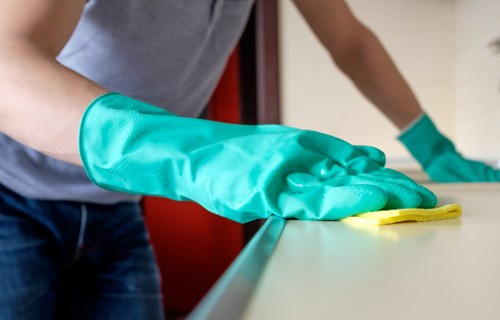
Deep cleaning is a thorough cleaning process that targets hidden dirt and built-up residue in areas that are often ignored during routine maintenance. It goes beyond wiping visible surfaces and focuses on eliminating grime from difficult-to-reach spots, high-use areas, and places where bacteria, dust, and allergens tend to accumulate over time. In both homes and commercial spaces, deep cleaning in this sense is a more intensive service that restores freshness and hygiene.
Where standard cleaning may include vacuuming, dusting, and sanitizing counters, deep cleaning involves scrubbing, degreasing, disinfecting, descaling, moving furniture, and cleaning behind or beneath objects. It is especially valuable in environments that experience heavy foot traffic, food preparation, pets, children, or seasonal buildup. A deep cleaning service can be scheduled periodically or completed as a one-time reset before a special event, after renovation work, or at the start of a new season.
Many people think of deep cleaning as extra effort, but it is really about precision and prevention. By addressing dirt at its source, you reduce long-term wear, minimize unpleasant odors, and create a more comfortable setting. In short, deep cleaning in any space helps maintain both appearance and hygiene at a much higher standard.
Why Deep Cleaning Matters

There are several strong reasons to prioritize deep cleaning in your home or workplace. First, it helps protect health. Dust, pet dander, mold spores, bacteria, and other pollutants can build up in fabrics, vents, grout lines, and corners. When these contaminants are left alone, they can affect air quality and contribute to allergies or respiratory irritation. A properly executed deep clean removes much of this hidden buildup.
Second, deep cleaning improves the overall look and feel of a space. Even well-maintained rooms can start to seem dull or uninviting when grime collects in details such as window tracks, faucet bases, light switches, and tile grout. By refreshing these areas, you restore brightness and create a more polished environment. This is especially important for businesses that want to present a professional image, but it also matters at home when you want a calmer and more pleasant atmosphere.
Third, deep cleaning can save money over time. Dirt, grease, and mineral deposits can damage surfaces if they are not removed regularly. For example, ovens can become less efficient when grease builds up, bathroom fixtures can stain, and carpets can wear faster when embedded soil is not extracted. Regular deep cleaning helps preserve appliances, flooring, upholstery, and finishes so they last longer and perform better.
Deep Cleaning vs. Regular Cleaning
Understanding the difference between regular cleaning and deep cleaning is important if you want to set realistic expectations. Routine cleaning is about maintenance. It includes tasks such as sweeping floors, wiping counters, taking out trash, and doing quick dusting. These chores keep a space presentable and reduce everyday mess, but they usually do not address the accumulation that hides in less visible areas.
Deep cleaning, on the other hand, is more detailed and labor-intensive. It often includes moving furniture, washing baseboards, cleaning inside appliances, scrubbing grout, disinfecting switches and handles, and removing buildup in areas that are usually skipped. In practical terms, deep cleaning in a kitchen may mean degreasing cabinet fronts and cleaning behind the stove, while regular cleaning might only involve wiping the countertop and sink.
The best way to think about it is this: routine cleaning maintains a clean appearance, while deep cleaning restores the space at a deeper level. Both are important, but they serve different purposes. Many households and offices benefit from combining weekly upkeep with periodic deep cleaning to ensure a consistently healthy and attractive environment.
Areas That Benefit Most from Deep Cleaning
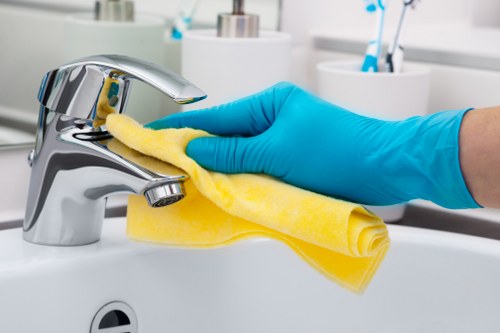
Although every room can benefit from deeper attention, certain areas require it more often because they collect more dirt, moisture, or frequent touchpoints. Understanding these zones can help you plan your deep cleaning schedule more effectively.
Kitchen
The kitchen is one of the most important areas for deep cleaning in any property. Grease, food residue, and bacteria can collect on countertops, sinks, backsplash tiles, cabinet doors, appliance handles, and inside ovens or microwaves. Deep cleaning here often includes descaling faucets, removing crumbs from drawers, scrubbing the stovetop, and sanitizing refrigerator shelves.
Bathroom
Bathrooms require special attention because of moisture, soap scum, limescale, and the possibility of mold or mildew growth. A thorough deep clean usually involves scrubbing tile grout, cleaning shower doors, disinfecting toilets, polishing fixtures, and removing buildup from drains and vents. A hygienic bathroom is one of the clearest indicators of effective deep cleaning.
Living Room and Bedrooms
Soft surfaces like sofas, curtains, rugs, and mattresses can trap dust and allergens. Deep cleaning in these areas may include vacuuming upholstery, cleaning under furniture, washing removable covers, dusting ceiling fans, and sanitizing frequently touched items. These tasks help create a fresher and healthier environment for relaxation and sleep.
Office Spaces
In offices, desks, keyboards, phones, shared kitchens, meeting rooms, and reception areas all benefit from deep cleaning. Dust and germs can spread quickly in high-traffic workspaces. A detailed cleaning routine helps support employee comfort, reduce sick days, and maintain a more professional business image.
How Often Should Deep Cleaning Be Done?
The right schedule for deep cleaning depends on the size of the space, how it is used, and how much traffic it receives. For many homes, a seasonal deep cleaning schedule works well, meaning every three to four months. This keeps dust, grease, and clutter from accumulating too heavily. Some families may choose to deep clean more often if they have pets, young children, or people with allergies.
Commercial spaces usually need deep cleaning more regularly, especially offices, restaurants, retail stores, clinics, and hospitality venues. In these environments, sanitation and appearance are essential. Depending on the business, deep cleaning in high-use areas may be needed monthly or even weekly for certain zones. High-touch and food-related surfaces should never be allowed to accumulate grime for long periods.
Events also create a need for deep cleaning. Before hosting guests, after parties, following renovations, or during move-in and move-out periods, a targeted deep clean ensures that the property is ready and presentable. A good rule of thumb is to schedule deep cleaning whenever a space starts to feel neglected, look dull, or develop persistent odors despite regular upkeep.
Essential Deep Cleaning Tasks for Each Room
To make deep cleaning in your property more manageable, it helps to break it into room-specific tasks. This approach prevents overwhelm and ensures nothing important is missed.
Kitchen Tasks
- Clean inside and behind the refrigerator, oven, and microwave
- Degrease stovetops, range hoods, and backsplash surfaces
- Wipe cabinet doors, handles, and drawer fronts
- Scrub sinks, faucets, and drain areas
- Sanitize countertops and small appliances
Bathroom Tasks
- Scrub tiles, grout, shower walls, and tubs
- Remove limescale from fixtures and glass doors
- Disinfect toilets, sinks, and counters
- Clean mirrors, vents, and baseboards
- Wash bath mats and wipe storage shelves
Living Areas
- Vacuum behind and under furniture
- Dust shelving, décor, and electronic surfaces
- Wash windowsills, blinds, and window tracks
- Shampoo carpets or clean rugs as needed
- Sanitize remote controls, switches, and handles
Bedrooms and Soft Furnishings
Bedrooms often collect dust in less obvious places. Bedding should be washed regularly, but deep cleaning also includes vacuuming mattresses, cleaning under the bed, dusting wardrobe tops, and refreshing pillows or upholstery. These steps help reduce allergens and improve sleep quality.
Work Areas and Shared Spaces
Shared desks, communal kitchens, and meeting rooms require frequent deep cleaning attention because germs can spread quickly. In these areas, disinfecting touchpoints and organizing clutter is just as important as removing visible dust. A clean workspace supports focus, comfort, and a better overall experience.
Tools and Products Commonly Used in Deep Cleaning
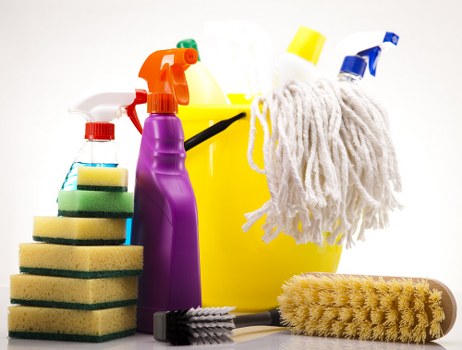
The right tools make deep cleaning in any setting more efficient and effective. While the exact supplies may vary based on the surface or space, some essentials are commonly used across most projects. These include microfiber cloths, scrub brushes, disinfectants, degreasers, glass cleaners, vacuum cleaners with attachments, mop systems, and sponges of different textures.
For stubborn buildup, you may need specialized products such as limescale removers, grout cleaners, upholstery shampoo, oven cleaner, or enzyme-based formulas for organic stains. It is always smart to read labels carefully and test products in a small area first, especially on delicate surfaces like natural stone, wood, or fabric. Using the wrong cleaner can cause discoloration or damage.
Some people prefer eco-friendly deep cleaning products because they reduce chemical exposure and are often safer for children, pets, and the environment. Green cleaning solutions can still be highly effective when used consistently. Whether you choose traditional or plant-based supplies, the key is matching the product to the job and following safe cleaning practices.
Step-by-Step Approach to Deep Cleaning
Having a clear process makes deep cleaning in a home or office much less overwhelming. Rather than cleaning randomly, follow a sequence that saves time and reduces the chance of redoing work.
- Declutter first – Remove items from surfaces, floors, and storage areas so you can access hidden dirt.
- Dust from top to bottom – Start with ceiling fans, shelves, and vents, then work your way downward.
- Address hidden areas – Clean behind furniture, under beds, inside appliances, and along baseboards.
- Scrub and disinfect – Focus on kitchens, bathrooms, and high-touch points such as handles and switches.
- Finish with floors – Vacuum, sweep, and mop after dust and debris have been removed from higher surfaces.
This method helps you avoid spreading dirt from one surface to another. It also ensures that the final result looks polished and complete. When deep cleaning is approached in a structured way, it becomes more efficient and much more satisfying.
For best results, divide the process into sections. You do not need to finish an entire house in one hour. Tackling one room at a time often leads to better quality and less stress. If needed, spread the work over a full day or weekend so you can focus on details without rushing.
Common Mistakes to Avoid During Deep Cleaning
Even with the best intentions, people sometimes make mistakes that reduce the effectiveness of deep cleaning. One of the most common problems is cleaning too quickly. Deep cleaning in its true sense requires time and attention. Skipping dwell time for disinfectants or failing to loosen buildup before scrubbing can leave surfaces less clean than expected.
Another mistake is using too much product. More cleaner does not always mean better results. Excess soap or chemical residue can leave streaks, attract dirt, or damage delicate materials. It is also important not to mix cleaning agents unless the label specifically says it is safe to do so. Some combinations can create harmful fumes.
A final issue is forgetting the details. Baseboards, corners, light fixtures, vents, and hardware are easy to overlook, but these are the very places that make a space feel truly refreshed. A successful deep clean is about consistency and detail, not just visible shine.
Benefits of Professional Deep Cleaning Services
Many property owners choose professional help because deep cleaning can be time-consuming and physically demanding. A trained team can often complete the work faster while delivering a more consistent result. Professional deep cleaning in homes or businesses is especially valuable when the space has not been cleaned thoroughly for a long time, when there are hard-to-reach areas, or when the schedule is already packed.
Professionals often bring commercial-grade tools and products that can handle heavy buildup more effectively than standard household supplies. They also follow organized checklists and know how to clean a wide variety of surfaces safely. This can be especially useful for delicate flooring, tile, upholstery, or appliances that need special care.
For busy homeowners and managers, outsourcing the task can reduce stress and ensure the job is completed to a high standard. If you want a space to feel renewed without spending your own time on every detail, professional deep cleaning services can be a practical solution. Contact us today to explore your options, or book your service now if you are ready to restore your space.
Deep Cleaning Tips for Better Results
If you want the best possible outcome, a few smart habits can make your deep cleaning more effective. Start by opening windows when possible to improve ventilation and help surfaces dry faster. Gather all your supplies before you begin so you are not constantly stopping to search for tools or cleaners.
Work room by room and focus on one category at a time, such as dusting, scrubbing, or disinfecting. This approach creates momentum and ensures you are not missing important steps. If a surface is heavily soiled, let the cleaner sit for a few minutes before wiping. That extra time can make a big difference in breaking down grease or grime.
It is also wise to maintain the results after you finish. When deep cleaning in a room, set up a simple routine to keep it from becoming dirty again too quickly. Wiping counters daily, vacuuming high-traffic areas, and putting items back in their place can preserve the fresh feeling for much longer.
How Deep Cleaning Supports a Healthier Lifestyle
Clean surroundings influence more than appearance. They can affect mood, energy, productivity, and overall well-being. A fresh, organized environment often feels calmer and less stressful. When a space is free from excess dust and visible grime, people tend to feel more comfortable and focused.
Deep cleaning in particular supports healthier living by reducing exposure to irritants and contaminants. This can be especially beneficial for households with asthma, allergies, or sensitive respiratory systems. It also helps lower the spread of germs in shared spaces, which is especially important during cold and flu season or in workplaces with frequent contact among people.
In a broader sense, deep cleaning encourages better habits. Once a space has been thoroughly reset, it is easier to maintain order and cleanliness. That sense of control can have a positive impact on daily routines, whether at home or in a professional setting. A cleaner environment often leads to a clearer mind.
Conclusion: Make Deep Cleaning Part of Your Routine
Deep cleaning is not just a one-time project; it is a powerful way to protect your space, your health, and your investment. From kitchens and bathrooms to offices and shared spaces, a well-planned deep clean brings back freshness, removes hidden buildup, and creates a more pleasant environment overall.
By understanding what deep cleaning includes and scheduling it regularly, you can prevent long-term damage, reduce allergens, and maintain a higher standard of cleanliness. Whether you choose to handle it yourself or hire a professional team, the benefits are clear. A space that is truly clean feels better to live in, work in, and share with others.
If you are ready to experience the difference, now is the perfect time to take action. Book your service now or contact us today to get started with a reliable deep cleaning solution that leaves your space looking and feeling renewed.
deep cleaning in homes and workspaces, covering benefits, room-by-room tasks, schedules, tools, and tips.
Get In Touch With Us.
Please fill out the form below to send us an email and we will get back to you as soon as possible.